Category: Public Engagement

  • [TIPS] 6 Benefits of Digital Community Engagement

    [TIPS] 6 Benefits of Digital Community Engagement

    You may be wondering – what’s all the fuss about online engagement tools? Don’t the traditional methods work just fine?

    Digital tools have a few key advantages over traditional methods of public engagement. Here are six of the most common benefits of online engagement that we hear from organizations:

    1. Reach a Diverse Audience  

    One of the main benefits of digital community engagement is the ability to reach a wider audience. Traditional engagement methods relied on community members to be physically present at meetings or events to participate. While the input you receive is still helpful, the people who show up to these meetings generally represent a narrow demographic. Their opinions are not representative of the entire community.  

    Digital tools help virtual public engagement efforts reach a broader and more diverse audience. Projects that take advantage of online engagement tools reduce the barriers to participation. This leads to the potential of gathering feedback from people you may not have been able to previously reach.   

    For example, social media platforms can be used to promote your project and gain traction on your online survey. MetroQuest surveys can be accessed from any device with an internet connection, making it easier for community members to participate at their convenience!    


    2. It’s Cost Effective  

    Keeping costs under control is vital for any project. When budgeting your project, remember that traditional forms of engagement can be expensive. Let’s do some quick math: A standard public meeting could cost $10,000 or more. If this public meeting engages only 50 attendees, the cost is $200 per participant. This price tag accounts for meeting space, printed materials and staff time.   

    On the other hand, utilizing digital tools can reduce these prices or eliminate them entirely. Although traditional community engagement methods are important, online surveys and virtual meetings can be effective alternatives. They minimize the need for travel and allow people to participate wherever they are, making it easier for those with busy schedules who cannot attend in-person meetings. 

    Additionally, digital tools can also be used to automate data collection and analysis, reducing the need for manual data entry. By using digital tools to streamline engagement efforts, transportation planners can save time and resources while still engaging with the community effectively. With a well-designed digital engagement tool, the cost could be closer to $5 per participant. These cost-savings will leave more resources for other activities. 


    3. Increase Engagement and Reach Underrepresented Groups  

    One of the main challenges in traditional community engagement methods is reaching underrepresented groups. These groups may face barriers to participation, such as lack of transportation, language barriers, or work or family obligations. This can result in a lack of diverse perspectives and voices in the decision-making process, which can lead to plans that only partially reflect the needs and concerns of the community.   

    Virtual public engagement can help address these challenges by providing more accessible and inclusive engagement opportunities. For example, online surveys can be translated into multiple languages, making them more accessible to non-English speakers. Virtual meetings can be recorded and posted online, allowing community members who cannot attend in person to access the information and provide feedback. Online discussion forums can be moderated to ensure that all voices are heard, and that the conversation is respectful and inclusive.   


    4. Informed Decision-Making 

    Gathering input from thousands of people is great, but what’s not great is having to input data manually and making sense of hundreds of comments. Digital tools simplify this time-consuming task; the data is easy to analyze and take action on. This allows your team to spend more time finalizing and getting reports approved.   

    The more data you collect, combined with engaging a broader audience and providing real-time data analysis, the transportation planners like yourself can make more informed decisions. By leveraging digital community engagement, you can ensure that the ultimate plans being drafted and soon developed are grounded in community feedback and reflect the needs and concerns of the people you serve.   


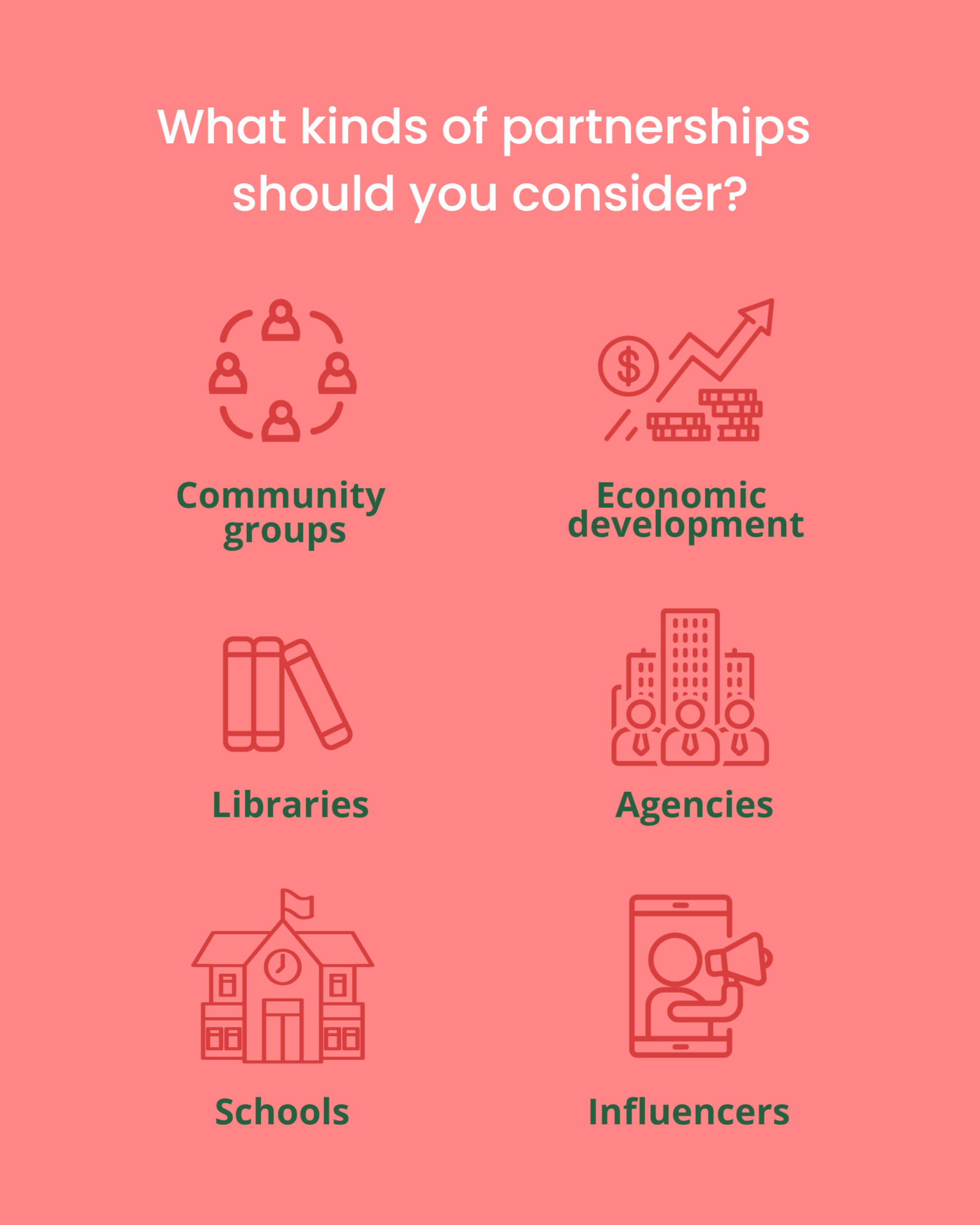
    5. Strengthen Community Partnerships  

    The convenience of community partnerships should not be underestimated. Building trust and strong relationships with community members and stakeholders is critical to the success of transportation plans. However, building and maintaining these relationships can take time and effort, especially due to competing priorities and limited resources.  

    Virtual public engagement can strengthen community partnerships by providing more opportunities for collaboration and communication. For example, virtual meetings can bring together community members and transportation planners in a way that is more convenient and accessible for everyone involved. Using online tools, you can engage with community members in real time and answer questions and concerns as they arise.  

    Virtual public engagement can also help transportation planners build relationships with community members who may not have been engaged in traditional methods. By providing more accessible and inclusive engagement opportunities, transportation planners can reach a broader audience and ensure that all voices are heard. This can help build trust and relationships with underrepresented groups and foster a more collaborative relationship between transportation planners and the community. 


    6. Improve Transparency  

    You should prioritize transparency in your public involvement planning, outreach and reporting. With traditional engagement methods, community members may not have access to all the information they need to make informed decisions. They may also ask themselves—how will my input make a difference? What will they do with our feedback?   

    You can create a better rapport with your constituents by involving the public in your planning process. This can help avoid or lessen any backlash. Great online tools provide an outlet for public input without allowing negative comments to dominate the conversation.   

    For example, online dashboards can share real-time data analysis with the community, providing greater transparency in transportation planning decisions. Online discussion forums can also provide a platform for community members to ask questions and receive answers in real time. It’s essential to build trust and credibility within your community. 

  • FAQ on Phase-by-Phase: Unbundling MnDOT’s Winning Virtual Public Engagement Strategy

    FAQ on Phase-by-Phase: Unbundling MnDOT’s Winning Virtual Public Engagement Strategy

    For our April webinar, we were thrilled to be joined by the experts behind the Minnesota Department of Transportation’s successful public engagement project. Stephanie Castellanos, Public Engagement Officer from MnDOT and Hannah Johnson, Professional Transportation Planner, Alliant Engineering, share insights from their Hwy 25 – Buffalo to Monticello Corridor Study and guide us step-by-step through their public involvement process.  

    The on-demand session recording of Phase-by-Phase: Unbundling MnDOT’s Winning Virtual Public Engagement Strategy is available now (for free!) if you want to learn the specific tools and techniques they utilized to develop their public engagement plan, which raised barriers to participation and reached a diverse audience. Dave Biggs, our Chief Engagement Officer here at MetroQuest, facilitates the event and also shares his top 10 takeaways you can use for your next public engagement project! 

    Scroll below for an inside scoop on the live Q&A session where they answer the top questions from the audience….  


    https://vimeo.com/823188764?share=copy

    [scroll-box]Dave: Would you say there is still value in face-to-face interactions or can you get what you need from virtual alone?

    Stephanie: Yeah, I’ll take a stab at that, Dave. I’ve been thinking about this myself as we move forward into this hybrid world. And like I said, it was really by luck that we had MetroQuest ready to roll when we didn’t know the pandemic was coming. I mean, I can’t imagine how we would have done this Corridor Study without all the online tools that we had and everything.

    But going forward, I do see the value in hybrid. I’m working on a Corridor Study right now. I think especially with agency and community partners, it’s important to have that face-to-face so you can talk and roll out the maps and put, you know, Post-it notes on it and everything, but I will say the quantity of feedback that you can get virtually is amazing when you look at broad demographics and how you really are to reach people and take those 5 minutes of their time, that’s invaluable.

    We never have hundreds and hundreds of people so far that really come to in-person events. But then we had thousands of people that responded to virtual means of interacting with us. I see the value in both, but I really don’t foresee going forward without having some virtual aspect.

    Hannah: I just really want to highlight how I think they are both really important. As Stephanie mentioned, you get a lot of people responding online and and it’s a really good way to reach people who either can’t or don’t want to come to in-person events. But in-person is still really important. And I just had an open house on a different project last week that like 150 people came to.

    And some people stayed for an hour and talked with the project team and just really being able to have those live two-way conversations and pointing at maps, that’s really important and I don’t think that’s going to go away.
    [/scroll-box]


    https://vimeo.com/823188784?share=copy

    [scroll-box]Dave: What kind of things did you do to reach underserved or difficult to reach populations?

    Stephanie: Yeah, that’s one thing I wanted to say. I’m looking forward to getting your transportation equity information, Dave. That’s something we always keep in mind. And I think for us, when we sent out the Facebook ads that were to all of the area within the corridor and then also saw that wide demographic as far as age and other things that we looked at, where people lived, etc., we felt that we did touch base with pretty much all of the groups within the corridor.

    And, you know, that’s something that we talked about at the beginning, too. We always want to be looking at when there’s opportunities to specialize. We have had other studies where we’ve had more underserved populations that we’ve done special outreach for. And, you know, had special community meetings and postcards in other languages and web pages, things like that. So we definitely are always looking at that.

    Hannah: As a part of our business and other stakeholder engagement, we did have some one-on-one conversations with key areas like a hospital on the southern end of the corridor. So talking about how people who visit the hospital use the roadway. And then there is also a mobile home park on the northern end of the corridor. We really wanted to make sure that we were sending mailings to those locations and making sure we heard from them, too.[/scroll-box]

    Check out The Planner’s Guide to Equity in Public Engagement eBook! Our largest peer-to-peer collaborative effort yet, learn the best methods to implementing public engagement that is diverse, inclusive and equitable.


    https://vimeo.com/823188802?share=copy

    [scroll-box]Dave: Were there any issues with asking some of that kind of more sensitive demographic information from people, did it get any pushback? Were people hesitant to answer those questions? What was your kind of reaction to that left?

    Stephanie: I’ve done multiple surveys now with MetroQuest. Usually people answer, I would say over the majority of people do answer those questions, even though we clearly state that it’s, you know, confidential and voluntary. So, yeah, we’ve always gotten pretty good feedback on those questions. So that’s really important for Title six and other reporting. And then overall, looking at the success of our outreach.

    Dave: I mean, there’s so much that you can tell from zip code. Zip code is because specifically when you’re when you’re talking about infrastructure or you’re talking about access, you’re talking about people’s transportation habits.

    And so where people live, where people work, it’s so important to that regardless of their their age or their, you know, their race, these things are are less relevant than where do you live and where do you need to get to? And do we have the infrastructure to support what you need to do?

    [/scroll-box]


    https://vimeo.com/823188819?share=copy

    [scroll-box]

    Dave: Do you think that the broader age distribution was a reflection of the fact that the survey was online?

    This is such an interesting question because five years ago nobody would ask this question because everybody just assumed that the people that were online are all young. And now we’re saying it was the broad age distribution was because it was online. It’s just such a sign of the times.

    Maybe you could make comments between the kind of demographics that you see in your face-to-face compared to the online? And to what extent do you think that the age distribution was how you were engaging?

    Stephanie: Just typically, when we have face-to-face, it’s folks that work and then a lot of people who are elderly just because they have the time, it’s always exciting when we see a younger group at a face-to fac- meeting. But online when we first started doing some stuff, we had concerns about reaching the older or middle-aged audience, and that was really highly represented.

    So we’re glad to see that people are sharing things within the community, talking about it and getting other people. I know that some of our Facebook page or the ad that we had was shared with people within the community. So they were telling word Facebook of so other people could get involved.

    Hannah: I think, you know, we’ve been learning a lot of lessons in the last couple of years. And I think one question that was missing that I have been including or we’ve been including more often is income related questions as well. So, yeah, that isn’t something we saw. But based on the locations, we do believe that we reached a representative group.


    [/scroll-box]


    Our Phase-by-Phase: Unbundling MnDOT’s Winning Public Engagement Strategy webinar is available on-demand! 


  • How to Create a Compelling Brand for Your Community Engagement Project

    How to Create a Compelling Brand for Your Community Engagement Project

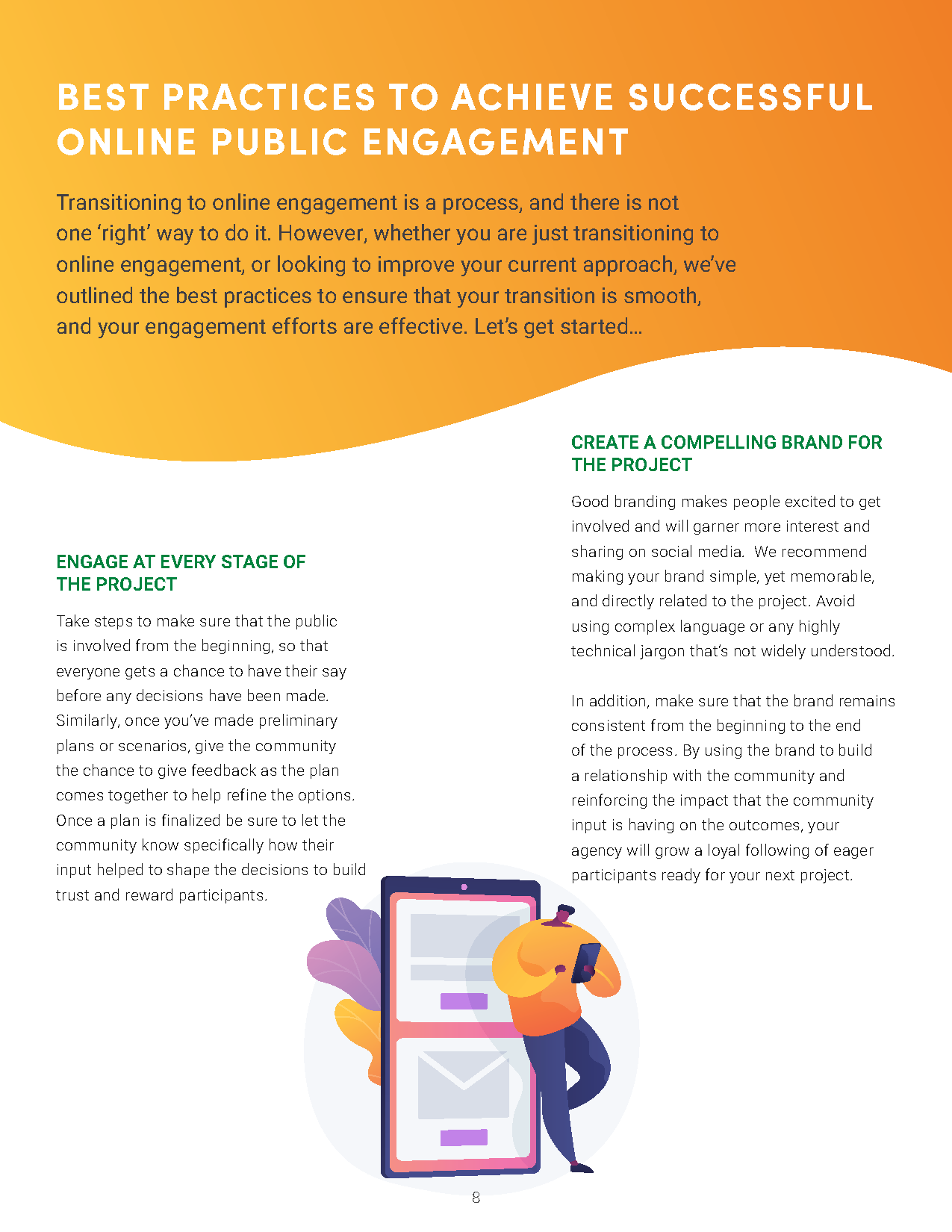
    Good branding is crucial in making people excited about your transportation planning project. Whether it pushes more participation or increases engagement, a solid brand kit makes your project memorable and exciting.   

    So, what makes for a good brand? How can you ensure your target audience is stopping to look at your content instead of scrolling right past? Here are a few ideas…  

    1. Give residents clarity and connect with them emotionally  

    Explicitly communicate what’s in it for community members. Make it clear that you want to best serve them and that they are a top priority! Be memorable and make things easy to understand in order to educate and spread the message. Utilize visuals, bullet points and data to back up your project in a digestible way. The branding should make sense and relate to the project.  

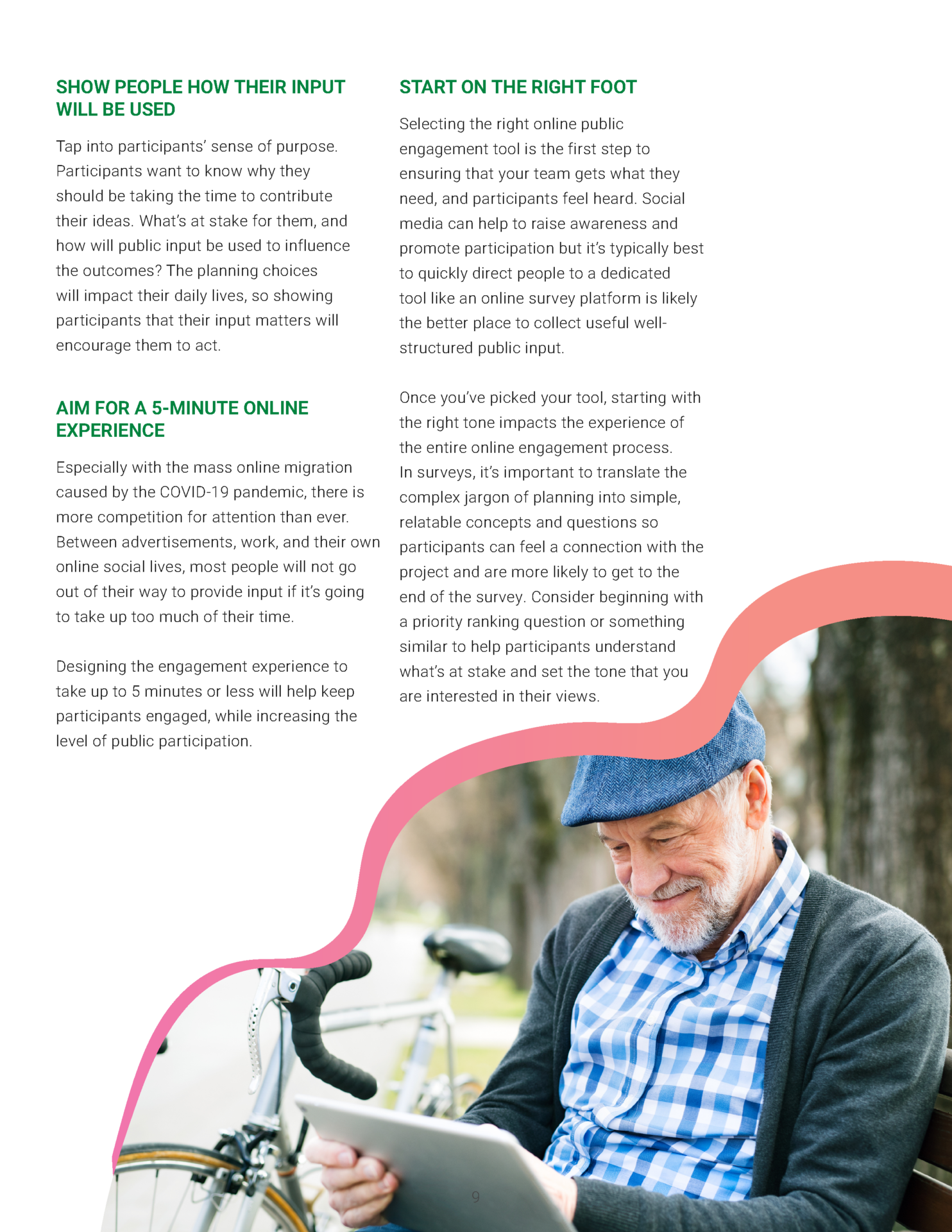
    “By using the brand to build a relationship with the community and  reinforcing the impact that the community input is having on the outcomes, your  agency will grow a loyal following of eager participants ready for your next project.”

    The Beginner’s Guide to Effective Online Engagement, Pg. 9

    Good branding connects with audiences on an emotional level. Create a gut response that will drive people to get involved in your project. When developing your project, learn the history of the community the project will impact and try to compile testimonials. Not only will you build trust that could eventually lead to more participation, but audiences will also feel more emotionally impacted by your project when they know how it will impact them.  

    2. Attracting the Community’s Attention

    To stand out from the crowd and attract attention, your project must cut through the distraction of our modern everyday lives. While traditional methods of promoting your project are primarily on paper and in-person efforts, the best way to get inside people’s minds is through their phones!  

    Consider a catchy project title and create a website. A memorable site name will stick with people. That goes with colors, graphics, and succinct copy, which can spread through social media campaigns. Together, your branding is consistent and recognizable, which people will appreciate. This leads to more word-of-mouth marketing and engagement.  

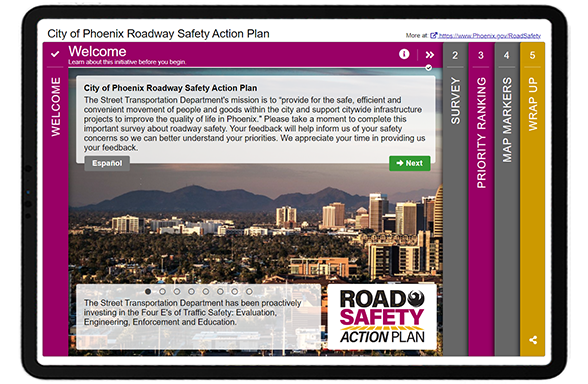
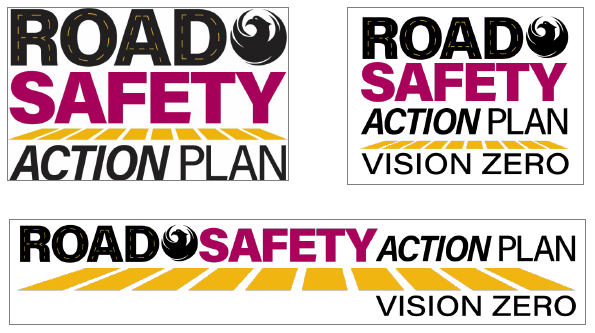
    In a past Survey of the Month, we highlighted the City of Phoenix’s Vision Zero Safety Action Plan. We attributed the success of their survey to curating a cohesive, memorable project brand. From their social media kits to their survey’s Welcome Screen, it was trusted and recognizable through the use of the same colors and logos.  

    Read all the details from out SOTM: Taking Action on Road Safety in Phoenix!

    3. Ensuring Visibility in the Community

    Projects with high levels of engagement thoroughly understand the demographics of their community, their interests, and how they communicate. Craft your brand and communications strategy around these aspects:

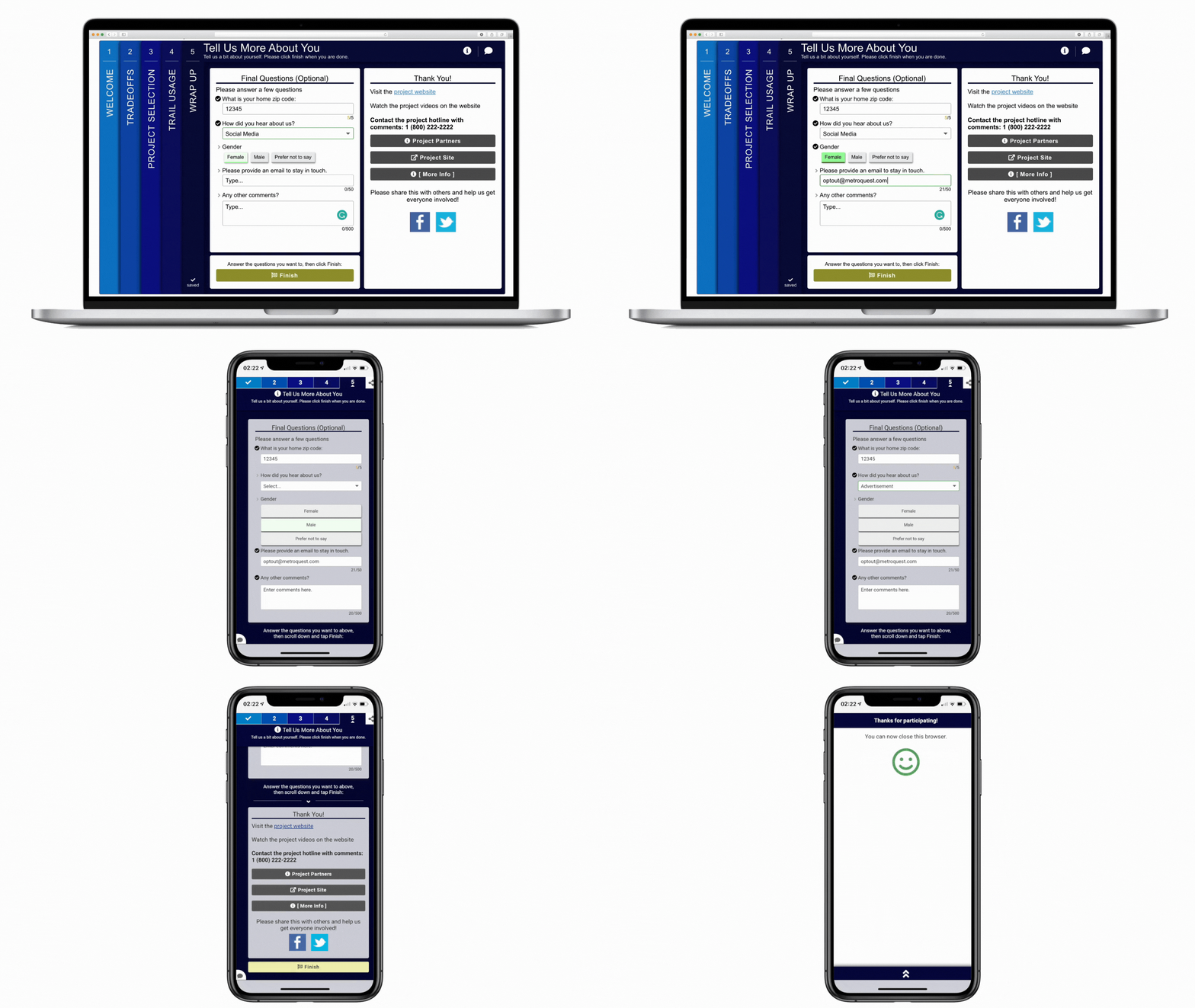
    Track impressions and analytics from campaigns you may run on LinkedIn, Twitter or Facebook. Check back regularly to determine their effectiveness but also to gain an inkling on the types of people you are engaging and whether they’re responding to the project in a positive way. Another great way to gain insight on your audience is qualitative data. This is what makes MetroQuest’s Wrap-Up Screen extremely effective. Find out how people got to your survey, their zip code, age, gender, and have a space for additional comments.

    Create a brand voice that communicates effectively and builds a relationship with your community. Traits like confidence, endearment and excitement will help attract attention to your project. A strong relationship will help with future successful projects, too!  

    Remember these principles in mind when crafting your project’s name, logo, communications strategy and overall look and feel. These are best practices that will lead to a memorable brand and an increase in engagement. Read more tips about branding and promoting your project in our newly revised guidebook:  

    The Beginner’s Guide To Effective Online Engagement — New Revised Edition

  • Wrapping Up and Reporting Your Virtual Public Involvement Results the Right Way

    Wrapping Up and Reporting Your Virtual Public Involvement Results the Right Way

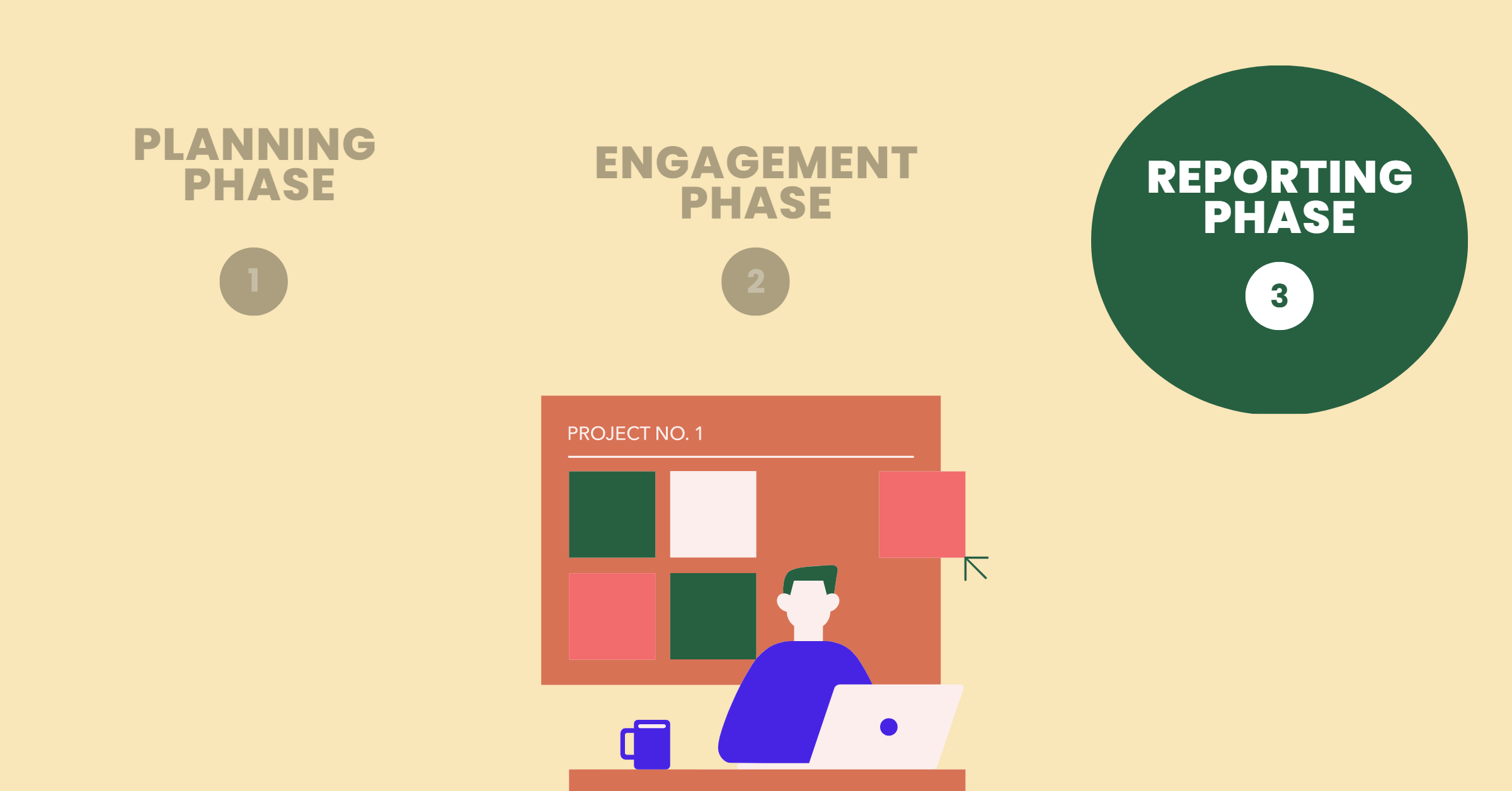
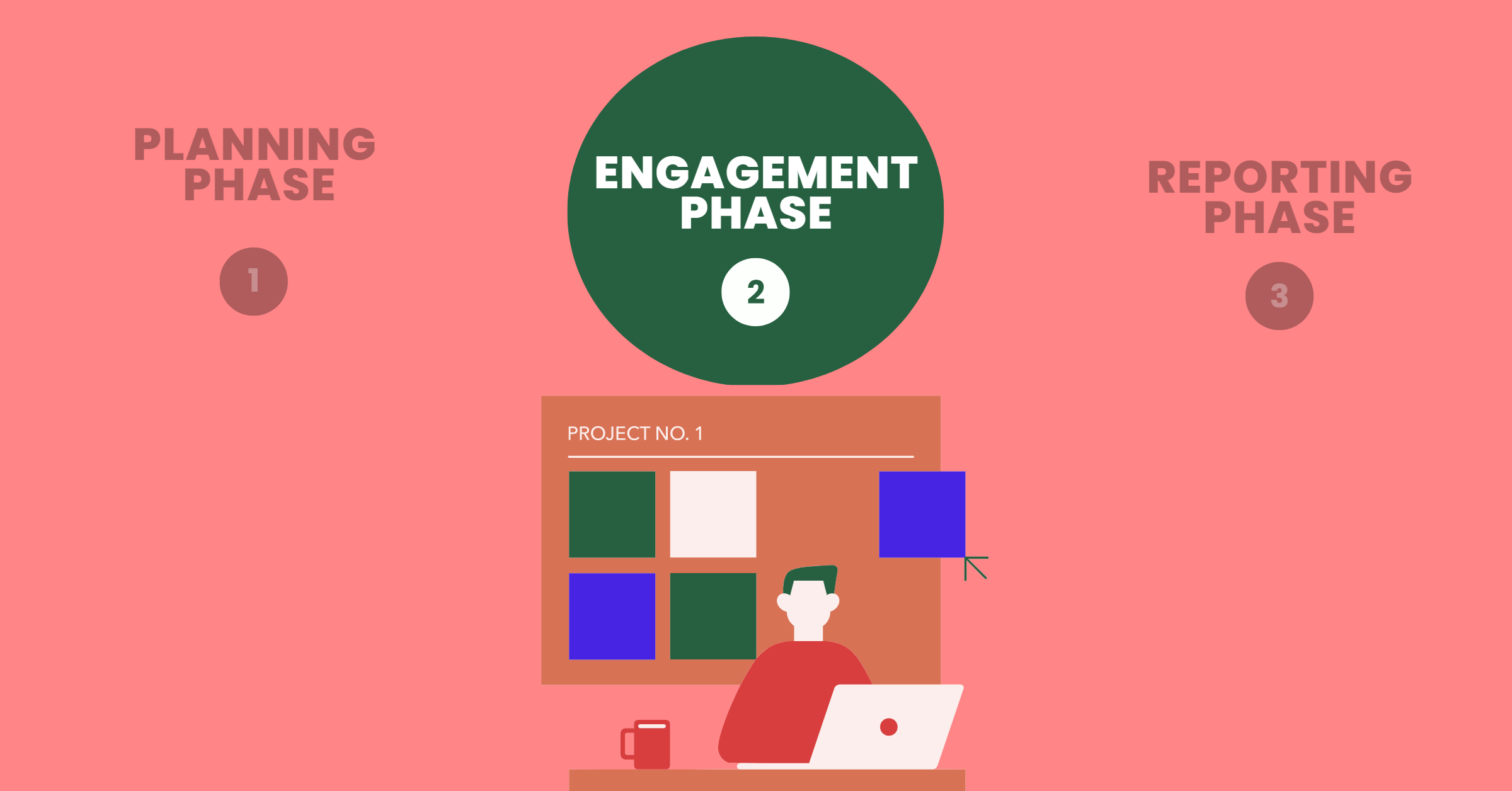
    Our Virtual Public Involvement Checklist for Success blog series has discussed ways to begin planning your online engagement project and shared a 3-step guide to best engage your target audience. Finally, it’s time to discuss the third and final phase: reporting. 

    Everything we do throughout the planning and engagement process leads to one thing… results. It’s time to look at the data, which will hopefully inform your project moving forward and show your community how you will handle their feedback. 

    1. Understanding our Representation
    2. Understanding the Public Input
    3. Communicating the Results
    4. Wrapping Up and Following Up
    ENGAGEMENT PHASE                                                                                PLANNING PHASE


    Reporting Phase 

    1. Understanding our Representation 

    Did we meet our participation and diversity goals? 

    Remember, don’t steer away from your goals! Now is the time to look back and reflect. Which demographics were you hoping to reach in your public engagement? Keep track of how your demographic group is being represented. If some groups were under or overrepresented, weigh the findings to accurately represent your community.  

    When you have broader and diverse participation, hearing back from significant difficult-to-reach segments of people, you can make valid conclusions.  

    2. Understanding the Public Input 

    What are the priorities/concerns? How can we best understand the patterns and trends in the input? 

    Results often reveal communities’ true priorities and the issues that matter most to them. It’s important to listen to what people are saying and learn from the results. Take them into account when examining community demographics moving forward. You’ll find it helpful to analyze the patterns and trends in your data as much as possible, so you have something to look back on. 

    Surprising results are a very probable outcome. However, as you begin interpreting results, discuss with your team how the community’s needs, priorities and preferences affect the plan. In some cases, teams don’t begin writing out project objectives until after the campaign is over. This eliminates the chance of any preconceived biases affecting the plan in its development stages.  

    To satisfy your participants, there may need to be some mitigation strategies implemented that can help address the needs that cannot be directly incorporated into the plan. Determine the primary messages you want to promote from the findings; what will be done as a result and what can be expected in the future. 

    3. Communicating the Results 

    What channels do we have for reporting? 

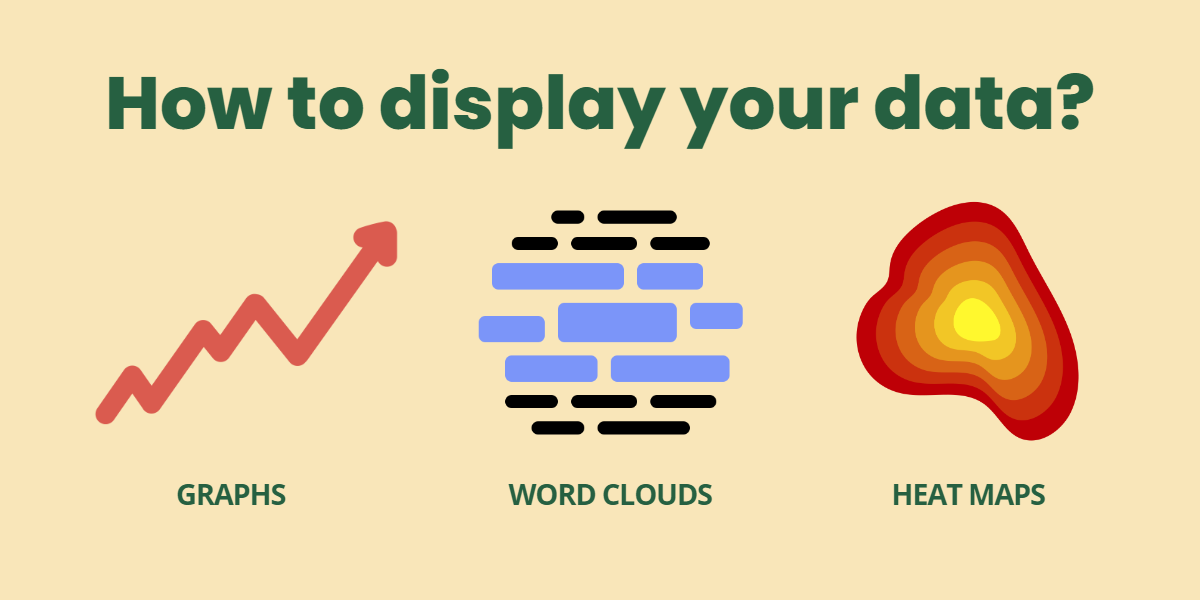
    Return to all the social channels and project website or homepage, where people know where to find you. This is a great place to start reporting the results to decision-makers, key stakeholders, participants and the public. Making the results as digestible as possible is important so they are easy to understand, for example, through:

    • PowerPoint
    • Infographics
    • Video
    • Social and traditional media

    Important to note: Accurate representation is vital. You should communicate both the majority and minority viewpoints received. Let the public know how their input influenced the outcome. 

    4. Wrapping Up and Following Up 

    Is there any specific follow-up needed for individual participants?  

    Be willing to answer requests and questions. Offer a session where you review the results and give updates on the plan, allowing an opportunity to receive feedback and learn if something important was left out of the conversation. Consider ways to document your approach moving forward. What worked and what didn’t? What steps make the most significant difference?  

    Two tips to consider: 

      • Regularly update participants and communicate next steps 

      • Consider what future efforts can be made to achieve success and avoid failures


      ENGAGEMENT PHASE                                                                                PLANNING PHASE


      Read our Virtual Public Involvement Checklist for Success, vetted by experts from 30+ DOTs and MPOs! 

      DOWNLOAD FOR FREE