Author: Dave Biggs

  • [TIPS] 6 Benefits of Digital Community Engagement

    [TIPS] 6 Benefits of Digital Community Engagement

    You may be wondering – what’s all the fuss about online engagement tools? Don’t the traditional methods work just fine?

    Digital tools have a few key advantages over traditional methods of public engagement. Here are six of the most common benefits of online engagement that we hear from organizations:

    1. Reach a Diverse Audience  

    One of the main benefits of digital community engagement is the ability to reach a wider audience. Traditional engagement methods relied on community members to be physically present at meetings or events to participate. While the input you receive is still helpful, the people who show up to these meetings generally represent a narrow demographic. Their opinions are not representative of the entire community.  

    Digital tools help virtual public engagement efforts reach a broader and more diverse audience. Projects that take advantage of online engagement tools reduce the barriers to participation. This leads to the potential of gathering feedback from people you may not have been able to previously reach.   

    For example, social media platforms can be used to promote your project and gain traction on your online survey. MetroQuest surveys can be accessed from any device with an internet connection, making it easier for community members to participate at their convenience!    

     

    2. It’s Cost Effective  

    Keeping costs under control is vital for any project. When budgeting your project, remember that traditional forms of engagement can be expensive. Let’s do some quick math: A standard public meeting could cost $10,000 or more. If this public meeting engages only 50 attendees, the cost is $200 per participant. This price tag accounts for meeting space, printed materials and staff time.   

    On the other hand, utilizing digital tools can reduce these prices or eliminate them entirely. Although traditional community engagement methods are important, online surveys and virtual meetings can be effective alternatives. They minimize the need for travel and allow people to participate wherever they are, making it easier for those with busy schedules who cannot attend in-person meetings. 

    Additionally, digital tools can also be used to automate data collection and analysis, reducing the need for manual data entry. By using digital tools to streamline engagement efforts, transportation planners can save time and resources while still engaging with the community effectively. With a well-designed digital engagement tool, the cost could be closer to $5 per participant. These cost-savings will leave more resources for other activities. 

     

    3. Increase Engagement and Reach Underrepresented Groups  

    One of the main challenges in traditional community engagement methods is reaching underrepresented groups. These groups may face barriers to participation, such as lack of transportation, language barriers, or work or family obligations. This can result in a lack of diverse perspectives and voices in the decision-making process, which can lead to plans that only partially reflect the needs and concerns of the community.   

    Virtual public engagement can help address these challenges by providing more accessible and inclusive engagement opportunities. For example, online surveys can be translated into multiple languages, making them more accessible to non-English speakers. Virtual meetings can be recorded and posted online, allowing community members who cannot attend in person to access the information and provide feedback. Online discussion forums can be moderated to ensure that all voices are heard, and that the conversation is respectful and inclusive.   

     

    4. Informed Decision-Making 

    Gathering input from thousands of people is great, but what’s not great is having to input data manually and making sense of hundreds of comments. Digital tools simplify this time-consuming task; the data is easy to analyze and take action on. This allows your team to spend more time finalizing and getting reports approved.   

    The more data you collect, combined with engaging a broader audience and providing real-time data analysis, the transportation planners like yourself can make more informed decisions. By leveraging digital community engagement, you can ensure that the ultimate plans being drafted and soon developed are grounded in community feedback and reflect the needs and concerns of the people you serve.   

     

    5. Strengthen Community Partnerships  

    The convenience of community partnerships should not be underestimated. Building trust and strong relationships with community members and stakeholders is critical to the success of transportation plans. However, building and maintaining these relationships can take time and effort, especially due to competing priorities and limited resources.  

    Virtual public engagement can strengthen community partnerships by providing more opportunities for collaboration and communication. For example, virtual meetings can bring together community members and transportation planners in a way that is more convenient and accessible for everyone involved. Using online tools, you can engage with community members in real time and answer questions and concerns as they arise.  

    Virtual public engagement can also help transportation planners build relationships with community members who may not have been engaged in traditional methods. By providing more accessible and inclusive engagement opportunities, transportation planners can reach a broader audience and ensure that all voices are heard. This can help build trust and relationships with underrepresented groups and foster a more collaborative relationship between transportation planners and the community. 

     

    6. Improve Transparency  

    You should prioritize transparency in your public involvement planning, outreach and reporting. With traditional engagement methods, community members may not have access to all the information they need to make informed decisions. They may also ask themselves—how will my input make a difference? What will they do with our feedback?   

    You can create a better rapport with your constituents by involving the public in your planning process. This can help avoid or lessen any backlash. Great online tools provide an outlet for public input without allowing negative comments to dominate the conversation.   

    For example, online dashboards can share real-time data analysis with the community, providing greater transparency in transportation planning decisions. Online discussion forums can also provide a platform for community members to ask questions and receive answers in real time. It’s essential to build trust and credibility within your community. 

  • How to Create a Compelling Brand for Your Community Engagement Project

    How to Create a Compelling Brand for Your Community Engagement Project

    Good branding is crucial in making people excited about your transportation planning project. Whether it pushes more participation or increases engagement, a solid brand kit makes your project memorable and exciting.   

    So, what makes for a good brand? How can you ensure your target audience is stopping to look at your content instead of scrolling right past? Here are a few ideas…  

    1. Give residents clarity and connect with them emotionally  

    Explicitly communicate what’s in it for community members. Make it clear that you want to best serve them and that they are a top priority! Be memorable and make things easy to understand in order to educate and spread the message. Utilize visuals, bullet points and data to back up your project in a digestible way. The branding should make sense and relate to the project.  

    “By using the brand to build a relationship with the community and  reinforcing the impact that the community input is having on the outcomes, your  agency will grow a loyal following of eager participants ready for your next project.”

    The Beginner’s Guide to Effective Online Engagement, Pg. 9

    Good branding connects with audiences on an emotional level. Create a gut response that will drive people to get involved in your project. When developing your project, learn the history of the community the project will impact and try to compile testimonials. Not only will you build trust that could eventually lead to more participation, but audiences will also feel more emotionally impacted by your project when they know how it will impact them.  

    2. Attracting the Community’s Attention

    To stand out from the crowd and attract attention, your project must cut through the distraction of our modern everyday lives. While traditional methods of promoting your project are primarily on paper and in-person efforts, the best way to get inside people’s minds is through their phones!  

    Consider a catchy project title and create a website. A memorable site name will stick with people. That goes with colors, graphics, and succinct copy, which can spread through social media campaigns. Together, your branding is consistent and recognizable, which people will appreciate. This leads to more word-of-mouth marketing and engagement.  

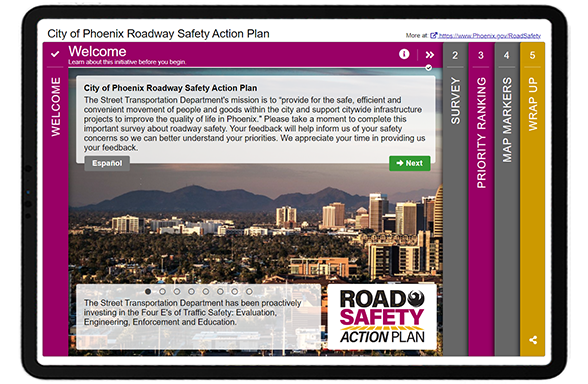
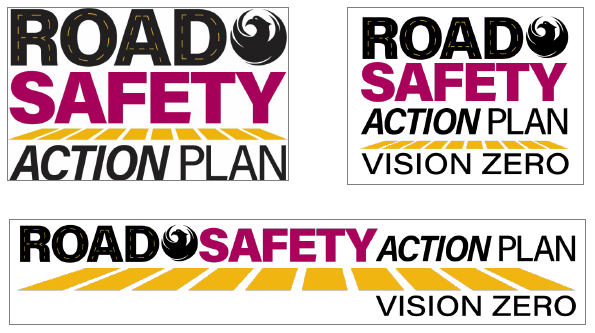
    In a past Survey of the Month, we highlighted the City of Phoenix’s Vision Zero Safety Action Plan. We attributed the success of their survey to curating a cohesive, memorable project brand. From their social media kits to their survey’s Welcome Screen, it was trusted and recognizable through the use of the same colors and logos.  

    Read all the details from out SOTM: Taking Action on Road Safety in Phoenix!

    3. Ensuring Visibility in the Community

    Projects with high levels of engagement thoroughly understand the demographics of their community, their interests, and how they communicate. Craft your brand and communications strategy around these aspects:

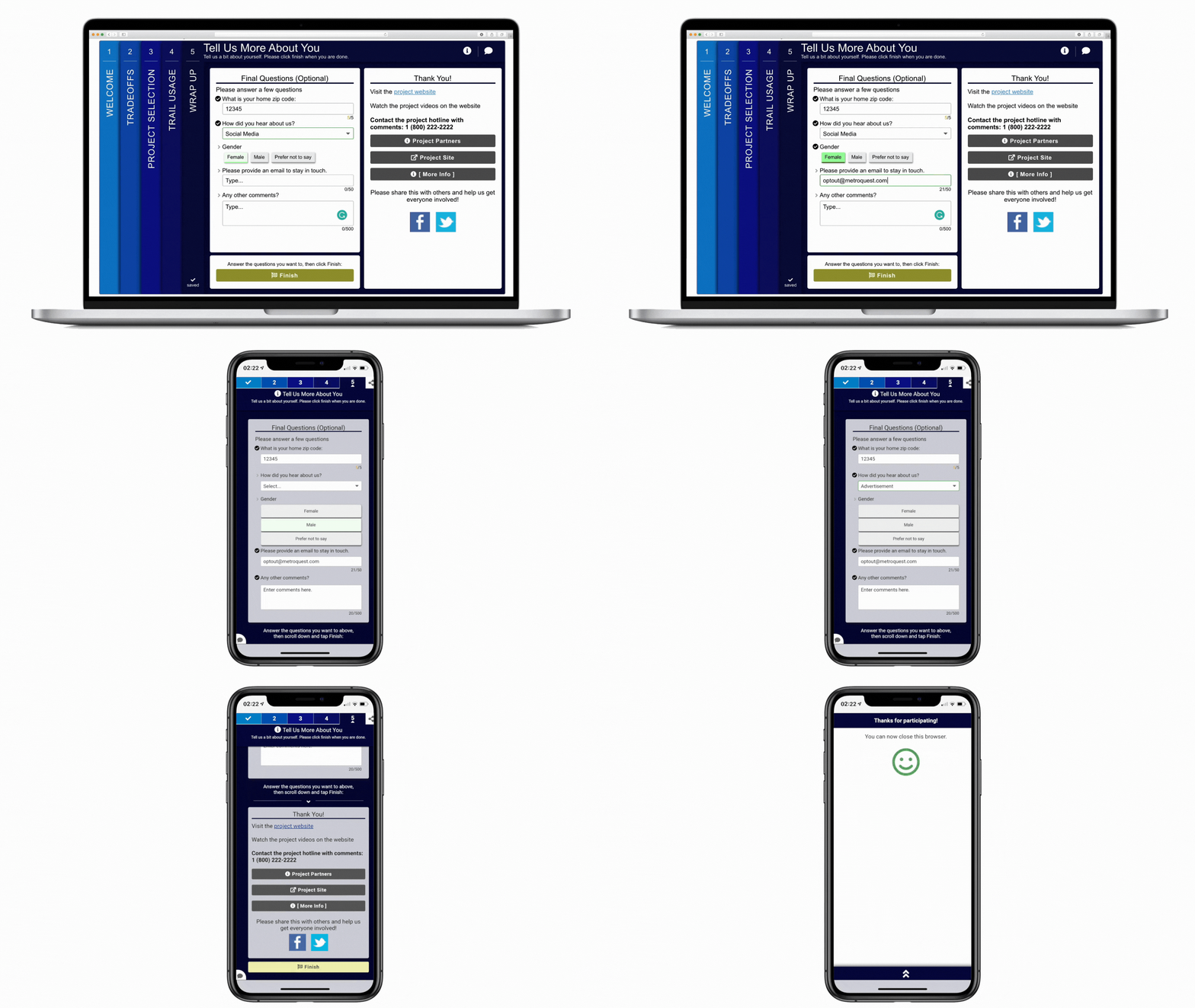
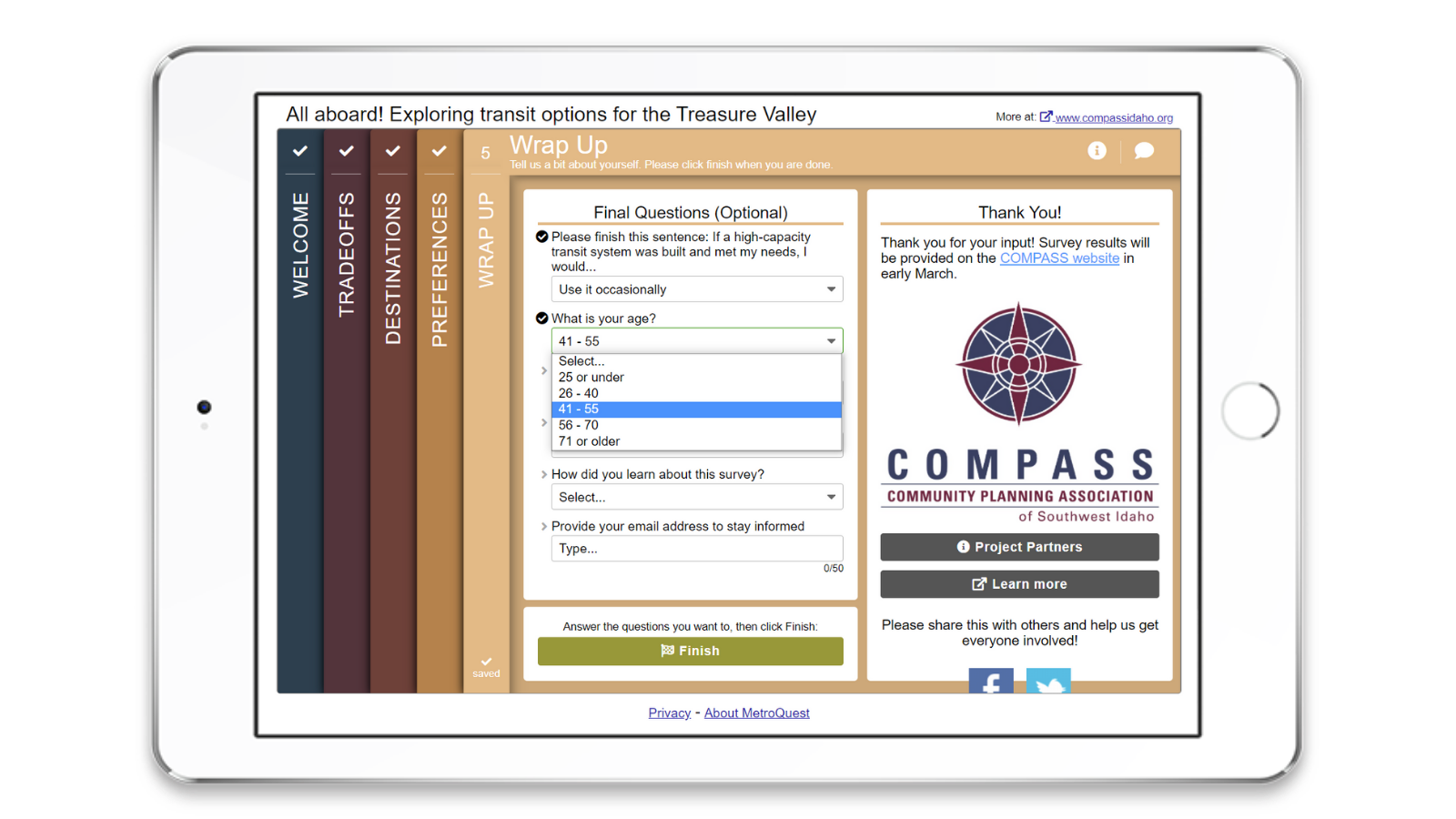
    Track impressions and analytics from campaigns you may run on LinkedIn, Twitter or Facebook. Check back regularly to determine their effectiveness but also to gain an inkling on the types of people you are engaging and whether they’re responding to the project in a positive way. Another great way to gain insight on your audience is qualitative data. This is what makes MetroQuest’s Wrap-Up Screen extremely effective. Find out how people got to your survey, their zip code, age, gender, and have a space for additional comments.

    Create a brand voice that communicates effectively and builds a relationship with your community. Traits like confidence, endearment and excitement will help attract attention to your project. A strong relationship will help with future successful projects, too!  

    Remember these principles in mind when crafting your project’s name, logo, communications strategy and overall look and feel. These are best practices that will lead to a memorable brand and an increase in engagement. Read more tips about branding and promoting your project in our newly revised guidebook:  

    The Beginner’s Guide To Effective Online Engagement — New Revised Edition

  • The Surface Transportation Bill and Factors Affecting Transportation Planning

    The Surface Transportation Bill and Factors Affecting Transportation Planning

    As Congress and the Administration work toward reauthorization of the federal surface transportation program, the transportation community finds itself in a time of significant upheaval marked by a growing recognition that inclusive and meaningful public involvement will be critical to successful transportation investment decisions. I recently spoke with Julie Lorenz, Secretary of Kansas DOT and Lloyd Brown, former Director of Communications and Marketing at AASHTO and now Senior Strategic Communications Consultant at HDR to get their views on how agencies can prepare a winning strategy.

    With the renewal of infrastructure funds gaining bipartisan support, we took some time to talk about the factors in play both in DC and across the country that will impact public engagement around transportation investments. We discussed:

    • Equity and the growing recognition that, historically, transportation investments have in many areas contributed to the disenfranchisement of communities of color and lower income populations;
    • Seismic mode and pattern shifts as the nation continues to reopen from historic COVID-19 restrictions with new transportation needs and expectations;
    • The mounting focus on climate change and the role that transportation plays in greenhouse gas emissions;
    • The need for BOTH high tech and high touch engagement to broaden outreach and listen deeply to community needs and priorities; and
    • The recent changes to NEPA requirements and guidelines and the role that they play in public involvement.

    Lloyd Brown and Julie Lorenz discussed some of the particulars of the transportation bill, and dove into a discussion on equity.

    “It’s more important to try than to not do it,” Julie said succinctly. “If you’re humble about just saying, I want to do better, that’s a place to start…Part of [equity] is making sure that we’re reaching the right audiences and that we have strategies to get into communities to actually hear people in a real way and have that dialogue.”

    The speakers also shared some useful tools and resources to help planners delve into public engagement for transportation planning, including the TRB’s research report Measuring the Effectiveness of Public Involvement in Transportation Planning and Project Development, and some innovative case studies that highlighted public involvement best practices that work well to address the challenges and opportunities that lie ahead.

    “The bottom line is, the value in this is saying not just how many comments [you collected],” Lloyd said, “But really, did you end up with a good, measurable public involvement process that ended up with a solid result?”

    For more insights and the full discussion, watch the full recording of this 60-minute webinar.

    The Pivotal Role of Public Involvement in the Surface Transportation Bill

    The Pivotal Role of Public Engagement in the Surface Transportation Bill 

    The transportation community faces several mounting areas of public attention and concern. In this webinar, we discuss post-pandemic recovery, the surface transportation bill and how agencies can prepare!

  • Top 6 Things That Successful Online Community Engagement Projects Have in Common

    Top 6 Things That Successful Online Community Engagement Projects Have in Common

    This blog was originally published on February 9, 2016.

    Let’s take a look at what’s working best in online community engagement

    Over the years, our team has studied several successful case studies and interviewed hundreds of planning and public engagement experts from across the nation, helping us uncover the best practices for succeeding in the realm of online community engagement.

    We’ve recently delved into topics like achieving equity in public engagement, how smaller projects can meet their engagement goals, and started to highlight monthly surveys that demonstrate extraordinary success.

    Drawing on our experiences, case studies and research, we’ve identified the key elements that contribute to a successful digital engagement project. Let’s explore the top 6 characteristics that winning projects have in common…


    1. A 5-Minute Experience

    While it may seem counter-intuitive, the shorter you make the online experience, the more participants you’ll engage and the more public input you’ll collect.

    The way that we pay attention and focus on tasks is changing, as social media and the information age means we have more and more competing for our attention. That means that most people will steer clear of providing input if it’s going to take up too much of their time. Planners that design the engagement experience to take up to 5 minutes or less get the most amount of public participation and informed feedback.


    2. No Mandatory Registration

    A comparative analysis that we did suggests that only one in ten participants are willing to provide personal information at the beginning of the engagement process.

    Some of the best case studies we’ve examined used a simple twist on the registration process: asking for participant’s personal and demographic information at the end, when they’re already invested in the process and more willing to share.

    MetroQuest Wrap-Up Screen


    3. Fun & Visual Interfaces

    It pays off to incorporate elements that make the engagement experience more enjoyable for participants.

    Plain, complicated, or unattractive sites will cause participants to wander away. The most successful engagement projects we’ve seen embed interactive elements and visually engaging components into the digital experience to help keep participants engaged and satisfied.

    We all know the saying: a picture is worth a thousand words. That’s true and, as an added benefit, they are also communicate information 60,000 times faster than text and make the experience more memorable.

    Whether you’re engaging with the public on Zoom or using an online forum or survey, incorporate visuals or mini games and interactive elements wherever applicable and possible. If you want a few more examples, check out our 1-minute video on why more visuals and less text make for more effective surveys!


    4. Embedded Education

    To gather representative data and informed public input, you must ensure participants have a good grasp of the context and are informed and educated about planning choices, decisions and trade-offs.

    Successful online engagement projects find ways to educate participants along the way, while avoiding biased alternatives. For instance, asking participants to vote in favor of a scenario after educating them about the associated tradeoffs ensures that they are aware of the consequence of their choice, making their decision and input that much more meaningful. At the same time, by ‘gamifying’ the learning process, you can make it a breeze for participants!


    5. A Focus on Quantifiable Input

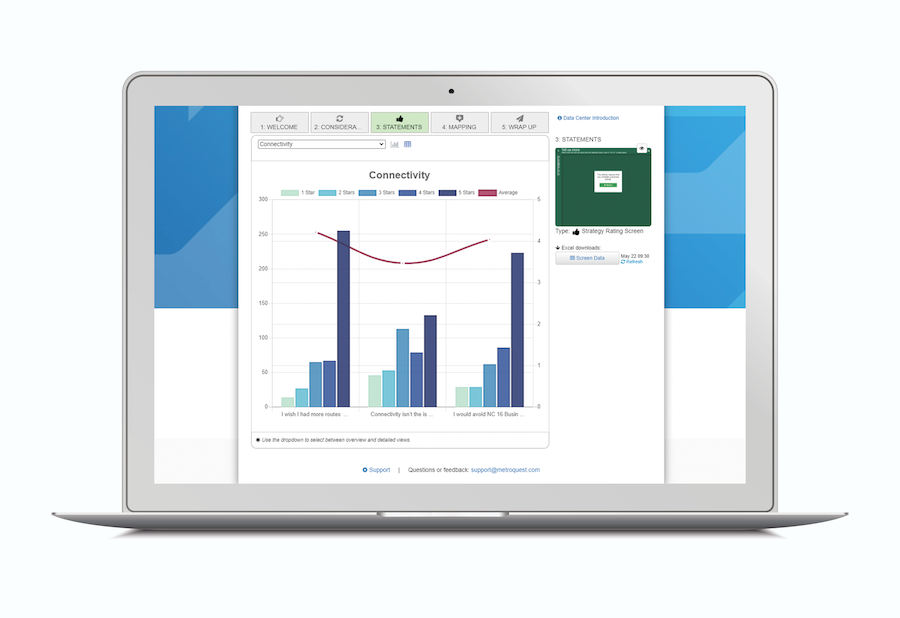
    It’s important to plan from the start how you will handle the input when it comes in. The most successful engagement projects we’ve seen use digital tools that can tabulate participants’ answers into quantifiable and easy-to-analyze results.

    Plus, by keeping in mind the end result, you and your team will be better able to identify the exact types of questions and inputs that will give your technical team the information they need.

    MetroQuest Data Center


    6. Promoting Like Mad

    The movie ‘Field of Dreams’ got one thing wrong. When it comes to public participation, the adage “if you build it, they will come” is terribly naïve.

    In the online world, many people think if they launch an engagement opportunity, people will come flocking to participate. Veterans in the business, however, know that it isn’t that easy.

    A key to the most successful projects we’ve seen is promotion. To compete with the clutter of information that bombards people every day, you need to have a strong promotional strategy to get the input opportunity into the eyes of you prospective participants and to keep the momentum going throughout the engagement period.

    Your promotional efforts can make or break the success of your study! For example, with clever promotions and partnerships, this agency in Southwest Idaho was able to get over 11,000 participants on their transit study. Check out our list of 10 tips to consider when promoting your next project to get started!


    That’s our list of top 6 common characteristics of the most successful projects we’ve looked at. We’d be curious to hear from others in the field. What patterns and characteristics have you noticed?

    COMPASS Gathers Input from 18,500+ Participants to Plan Future Transportation

    COMPASS Gathers Input from 18,500+ Participants to Plan Future Transportation

    COMPASS achieved incredible public engagement results, at one point receiving over 4000 Survey responses in one day. In this case study, Amy Luft walks us through the strategies that led to their success, including social media promotions, traditional media and community partnerships!